Best Neighborhoods in Orinda, CA: A Local Realtor’s Guide to Where to Live
If you are considering moving to Orinda, California, one of the first things you will discover is that choosing “Orinda” is only the beginning. Orinda is small, but its neighborhoods can feel remarkably different from one another. Drive five or ten minutes and you can go from a relatively flat, traditional suburban neighborhood street to a secluded hillside property surrounded by oak trees, a dramatic view home, or an estate on a large private lot. That is one of the things I love most about Orinda- and one of the reasons I encourage buyers not to decide whether they like the community based on the first few homes they see.
I live in Orinda, work here as a Realtor, raised my children here, and am deeply involved in our schools and community. I have also spent years helping buyers understand the little differences between neighborhoods that are difficult to figure out from a map or a real estate website. So, if you are trying to determine the best neighborhood in Orinda for the way you want to live, here is where I would start.
First: There Really Isn't One "Best" Neighborhood in Orinda
I get asked this question all the time: What is the best neighborhood in Orinda?
There isn't one. There are neighborhoods that may work better depending on what matters most to you: a flatter lot, views, privacy, proximity to BART or Highway 24, newer construction, a more traditional neighborhood feel, access to trails, or simply the architecture and character of the homes. And in Orinda, sometimes the differences are even more specific than the neighborhood. One street can be relatively flat while the next winds significantly uphill. Two homes that look close together on a map can have completely different settings, sun exposure, views, driveway access and outdoor space. That is why understanding Orinda real estate requires a deeper look.
Sleepy Hollow
Sleepy Hollow is one of Orinda's most established and recognizable neighborhoods, located on the north side of Highway 24. The neighborhood is known for its beautiful natural setting, mature trees, larger lots and a strong neighborhood identity. Many properties offer a wonderful sense of privacy, and the houses range from charming older homes to extensively renovated properties and substantial luxury homes.
One of the things buyers often notice about Sleepy Hollow is that it can feel removed and peaceful while still being part of a very connected community. Topography varies considerably. You will find properties with generous usable yards as well as hillside homes, long driveways and more secluded settings. For buyers looking at Sleepy Hollow, I pay particular attention to the individual property's lot, drainage, driveway, sun exposure and hillside conditions. Those details can matter just as much as the house itself in Orinda.
What Sleepy Hollow is known for: larger lots, mature trees, privacy, an established neighborhood feel and beautiful natural surroundings.
Orinda Downs
Adjacent to Sleepy Hollow, Orinda Downs is another highly sought-after pocket of north Orinda. Here you will find larger properties and beautiful, often stately, homes with a feeling of space and privacy that can be difficult to replicate closer to downtown. The neighborhood has a residential, tucked-away quality. Depending on the specific property, buyers may find larger lots and impressive homes that have been expanded or substantially updated over the years. It is also known as “the” neighborhood for trick-or-treating as it offers more flat, wide streets. As with much of Orinda, there is variation from property to property, which makes it important to evaluate each home individually rather than assume two nearby homes are directly comparable.
What Orinda Downs is known for: privacy, larger homes and lots, established properties and a quieter setting.
Orinda Country Club and Charles Hill
The area surrounding the historic Orinda Country Club is one of the most distinctive parts of Orinda. This is quintessential hillside Orinda: winding roads, mature landscaping, interesting architecture and some truly spectacular views. The housing here is wonderfully varied. You will see everything from classic mid-century homes and traditional residences to Mediterranean-inspired properties, extensively remodeled homes and substantial luxury estates. Some properties overlook the golf course or surrounding hills, while others feel completely hidden among the trees. This is also an area where buyers need to understand topography. A hillside home may offer extraordinary privacy and views but have less usable yard. Another property nearby may have a flatter setting and feel entirely different. For me, that individuality is part of the appeal. Orinda isn't a community of cookie-cutter houses, and the Country Club area illustrates that especially well.
What the Orinda Country Club area is known for: views, distinctive architecture, hillside settings, privacy and proximity to the Country Club and downtown.
Glorietta
Glorietta offers a different side of Orinda. Parts of the neighborhood have wider, flatter or more gently sloping streets than buyers may encounter elsewhere in town, and there are pockets that feel closer to the traditional neighborhood setting some buyers picture before coming to Orinda. Homes range considerably in age, size and style, with many properties that have been remodeled or expanded over time. Glorietta's location also provides convenient access to downtown Orinda, Highway 24 and neighboring Lafayette. When I take buyers through Orinda for the first time, Glorietta is often useful to see alongside one of the more dramatic hillside neighborhoods because it demonstrates just how much the feel of Orinda can change within a few miles.
What Glorietta is known for: neighborhood streets, convenient location, a mix of home styles and some flatter or more usable lots.
Del Rey and Ivy Drive
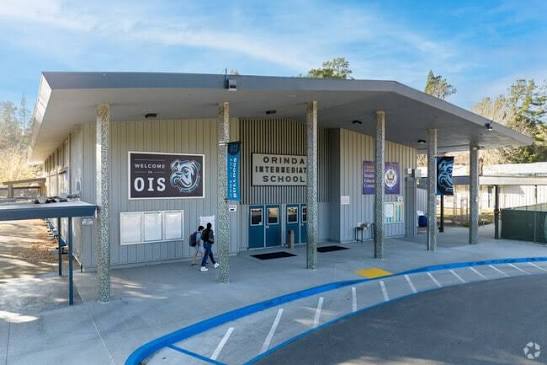
Del Rey and the Ivy Drive area are another part of Orinda that can feel more traditionally residential than some of the city's hillier pockets. Certain streets offer flatter terrain, and you will see people out walking, biking and moving through the neighborhood. This side of Orinda is also convenient to 12 years of top-rated schools and is known to locals as the ‘Golden Triangle’ as many fmailies that live in this neighborhood have children that attend Del Rey Elementary, Orinda Intermediate School, and Miramonte High School. While there is a bus that takes kids to school throughout Orinda, this neghborhood offers the option for some families to walk and/or bike to school which some find very desirable. The architecture is varied, as it is throughout Orinda but there are a lot of your more typical suburban ranchers. Many homes were built decades ago and have since been remodeled, expanded or completely reimagined. This is also an excellent example of why I tell buyers to look at the specific street, not just the neighborhood name. The terrain, lot configuration and setting can change quickly as you move through the area.
What Del Rey and Ivy Drive are known for: a strong neighborhood feel, some flatter streets, convenient access to schools.
Wagner Ranch and El Toyonal
If privacy, nature and a more tucked-away setting are high on your list, the Wagner Ranch and El Toyonal areas deserve a look. El Toyonal in particular can feel worlds away from the rest of the Bay Area. Roads wind through oak-covered hills, properties are often surrounded by mature vegetation, and some homes have incredible views. It is beautiful—but this is also where understanding the realities of hillside living becomes especially important. Road access, driveway slope, vegetation management, insurance, drainage, retaining walls and property maintenance are all things I want buyers to understand before falling in love with a view. That doesn't mean avoiding hillside properties. Some of Orinda's most extraordinary homes and settings are found in these areas. It simply means knowing what you are buying.
What Wagner Ranch and El Toyonal are known for: privacy, nature, hillside and view properties, larger lots and a more secluded feel.
Wilder
Wilder is the outlier in the best possible way because it offers something that is relatively rare in Orinda: newer construction. Located near the Siesta Valley area, Wilder was thoughtfully developed around preserved open space and includes newer homes, neighborhood amenities, trails, sports fields and a clubhouse. Architecturally and functionally, the homes can feel very different from Orinda's older housing stock. Buyers looking for newer systems, contemporary floor plans, larger kitchens, higher ceilings and more modern primary suites may find Wilder particularly interesting. The trade-off is that it does not have exactly the same established, winding-road character as some of Orinda's older neighborhoods. Neither is better. They are simply different versions of living in Orinda.
What Wilder is known for: newer construction, modern floor plans, neighborhood amenities, trails and access to open space.
Orinda Woods
Orinda Woods is another distinctive option and one buyers sometimes overlook when they first begin searching. The community offers a different housing experience from Orinda's more traditional single-family neighborhoods, with homes and townhomes set among beautiful landscaping and hills. For someone who wants to live in Orinda but does not necessarily want the maintenance associated with a large standalone property, it can be worth exploring. As with any planned community, buyers should evaluate the HOA, dues, services, reserves, insurance and property-specific responsibilities as part of the purchase decision.
What Orindawoods is known for: a planned-community setting, amenities, attractive surroundings and lower-maintenance options compared with many traditional Orinda properties.
What Buyers Often Don't Realize About Orinda Neighborhoods
This is the part I think is most important. When buyers search for homes online, they naturally compare bedrooms, bathrooms, square footage, lot size and price. In Orinda, that isn't always enough. Two homes with almost identical statistics can offer completely different living experiences. One might have a beautiful half-acre lot, but much of it is hillside. Another might have a smaller lot with a large, flat backyard that is far more usable. One house might have spectacular western views but receive intense afternoon sun. Another may sit among beautiful trees but feel darker inside. A long private driveway can feel magical to one buyer and inconvenient to another. And then there are the less glamorous, but extremely important, considerations: drainage, foundations, retaining walls, sewer laterals, vegetation and fire-hardening requirements, insurance availability, and the cost of maintaining a hillside property.
These aren't reasons not to buy in Orinda. They are reasons to work with someone who understands Orinda.
What About Schools?
Orinda's public schools are one of the major reasons buyers research the community, but buyers should always verify the current school assignment for a specific property directly with the applicable school district rather than relying solely on a real estate listing. Orinda Union School District serves the community's elementary and middle-school students, while Miramonte High School is part of the Acalanes Union High School District. I have experienced Orinda schools not just from the real estate side but as a parent and longtime school volunteer, including serving as Parents' Club President. I'm always happy to share my personal experience with the schools and community while directing buyers to the districts for current enrollment and assignment information.
Is Orinda Walkable?
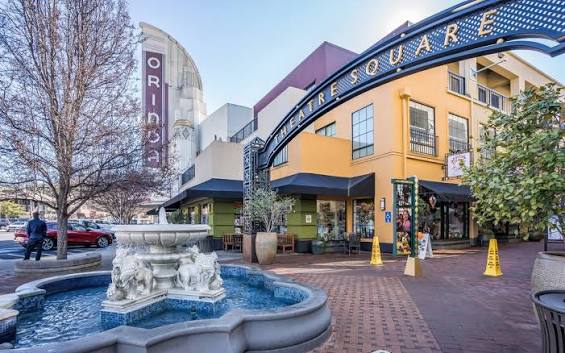
This depends heavily on what you mean by walkable. Downtown Orinda itself is compact, with BART, restaurants, shops, the historic Orinda Theatre and community amenities nearby. Most residential neighborhoods, however, are not what someone moving from San Francisco, Oakland or a traditional sidewalk suburb would consider walkable. Many Orinda streets are narrow, winding and do not have sidewalks. Some are relatively flat; others are decidedly not. If walking or biking from your home is important to you, tell your Realtor that at the beginning of your search. It can significantly influence which streets and neighborhoods make sense to explore.
How Important Is BART Access?
For many buyers moving from San Francisco or elsewhere in the Bay Area, the Orinda BART station is a major advantage. But here's the detail people sometimes miss: most Orinda residents are not walking to BART. Your actual commute depends on where your home is located, how long it takes to drive to the station, parking or drop-off logistics and your final destination. When I work with buyers who will commute regularly, I encourage them to test the commute from the actual house rather than simply looking at the distance on a map.
What Should I Know About Fire Risk and Insurance in Orinda?
This deserves to be part of the conversation early in your home search. Orinda's wooded hills are a huge part of its beauty, but location, vegetation and surrounding terrain can affect wildfire risk and insurance options. Insurance has become an increasingly important part of California real estate, so I recommend that buyers investigate insurability and estimated premiums during the purchasing process rather than treating insurance as an afterthought. The same applies to vegetation management and fire-hardening considerations. The specifics can vary significantly from property to property.
How Much Does It Cost to Buy a Home in Orinda?
Orinda is one of the East Bay's higher-priced residential markets, but a single median price isn't particularly helpful when you're trying to understand what you can actually buy. A smaller or more dated home, a hillside property requiring work, a beautifully renovated home on a usable lot, and a large luxury estate can all exist within the same relatively small city.
Condition matters. Lot usability matters. Location matters. Views matter. Privacy matters. Architecture matters. And in certain segments of the market, those factors can create significant differences in value even between homes that appear similar on paper. That is one reason local comparable sales matter so much when evaluating Orinda real estate.
So, Which Orinda Neighborhood Should You Choose?
Start with the way you want to live rather than a neighborhood name.
Ask yourself:
Do I prioritize a flat backyard or would I trade that for a spectacular view?
Do I want privacy or do I prefer being closer to neighboring homes?
How important is my commute?
Do I want an older home with architectural character or newer construction?
How much property maintenance do I realistically want?
Do I want to be closer to downtown, BART, trails or open space?
Once you answer those questions, the search becomes much easier.
And sometimes the neighborhood you initially think you want isn't where you ultimately fall in love. I've seen that happen many times.
Finding the Right Home in Orinda
The longer I live and work in Orinda, the more convinced I am that you cannot fully understand this market by searching online. You have to drive the streets. You have to see how the light hits a particular hillside, understand which lots are truly usable, experience how different one pocket feels from another and know what questions to ask about the house itself.
That's also one of my favorite parts of helping someone move here. I don't want to simply send you listings that meet a bedroom count and price range. I want to help you understand Orinda well enough that when the right house appears, you recognize why it is right for you.
If you're thinking about moving to Orinda, I'd be happy to show you the neighborhoods, talk through the differences and help you determine where your budget and the way you want to live intersect.
Christina Linezo, Realtor® | DRE #01964989
Rooted in Real Estate. Connected to Community.
Serving Orinda, Walnut Creek, Lamorinda & the greater East Bay
ChristinaLinezo.com
Village Associates | DRE#01301392